
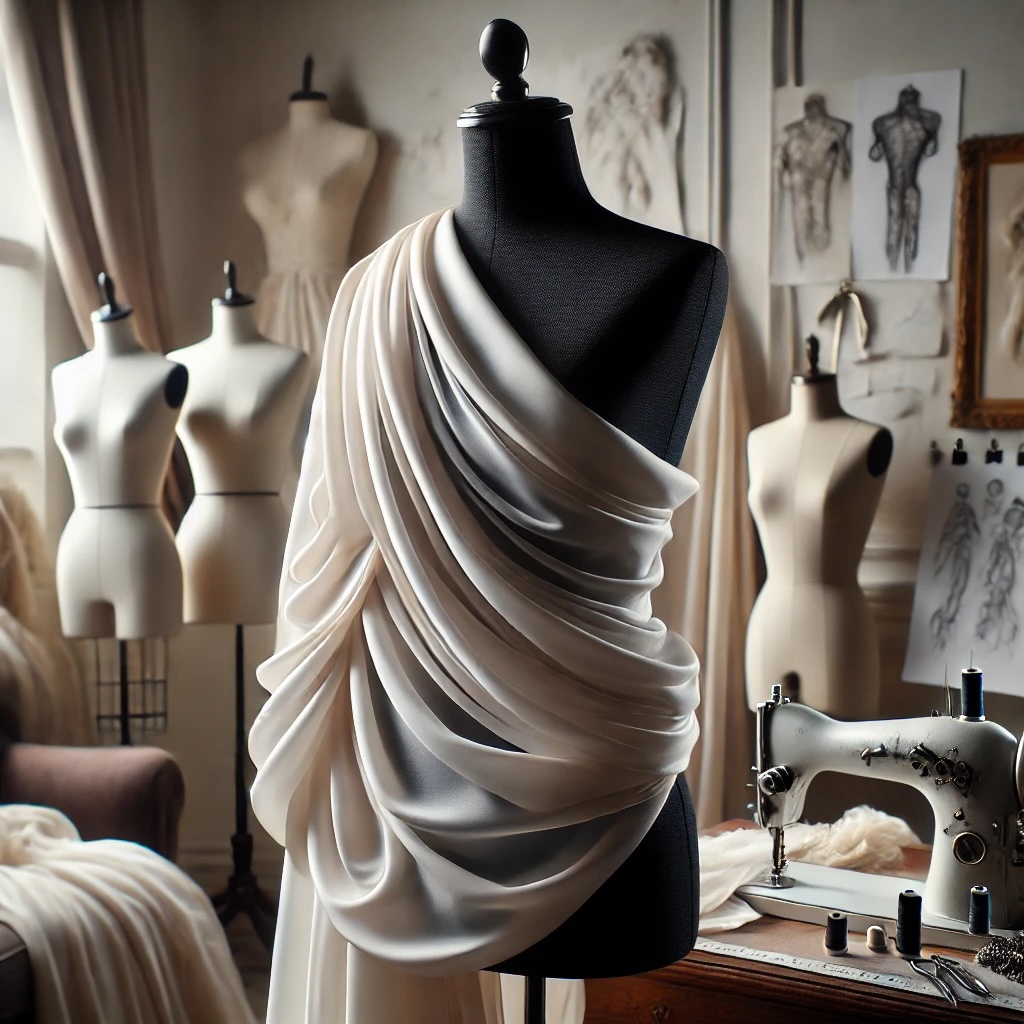
In the ever-evolving landscape of fashion, there exists an art form that transcends mere garments and stitches, elevating attire to the realm of poetry in motion. This art form is draping, the skillful arrangement of fabric to create elegant silhouettes and capture the essence of beauty. And when it comes to draping clothes on Black people, it becomes a celebration of culture, history, and the sheer magnificence of the human form.
From the regal drape of a traditional African garment to the contemporary twists on classic styles, Black fashion has always been synonymous with innovation and flair. It’s a canvas where creativity knows no bounds, and draping serves as the brushstroke that brings visions to life.
Draping on Black bodies is an art that pays homage to centuries of heritage and resilience. It honors the rich tapestry of African textiles, with their vibrant colors, intricate patterns, and symbolic motifs. Whether it’s the flowing elegance of a Kente cloth or the bold geometry of Adinkra symbols, each drape tells a story of tradition and belonging.
But draping on Black bodies is also a testament to diversity and individuality. It celebrates the beauty of every curve, every contour, and every shade of melanin. It defies narrow beauty standards and embraces the unique features that make each person one-of-a-kind. From the statuesque grace of a tall, slender figure to the voluptuous allure of fuller forms, draping accentuates and celebrates every aspect of Black beauty.
Moreover, draping on Black bodies is an act of empowerment and self-expression. It’s a way for individuals to reclaim their narratives, challenge stereotypes, and assert their presence in a world that often seeks to marginalize them. Through fashion, Black people have long used clothing as a form of resistance and assertion of identity. And draping, with its ability to accentuate strengths and conceal vulnerabilities, becomes a powerful tool in this ongoing struggle for visibility and representation.
In the world of high fashion, Black designers and stylists have been at the forefront of pushing the boundaries of draping. From the iconic creations of legends like Ann Lowe and Stephen Burrows to the cutting-edge designs of contemporary visionaries like Pyer Moss and Telfar Clemens, Black fashion has continually redefined the art of draping, infusing it with new perspectives and inspirations.
But draping is not just confined to the runway or the pages of glossy magazines. It’s a living art form that thrives in everyday life, whether in the form of a meticulously tailored suit, a flowing maxi dress, or a casual ensemble that effortlessly combines comfort and style. And for Black people around the world, draping is more than just a fashion statement—it’s a source of pride, resilience, and cultural heritage.
In conclusion, the art of draping clothes on Black people is a celebration of beauty, diversity, and creativity. It’s a tribute to the rich tapestry of African culture, a testament to the resilience of Black communities, and a powerful form of self-expression. So let us continue to celebrate and uplift this timeless art form, ensuring that it remains a vibrant and integral part of the ever-evolving world of fashion.
