
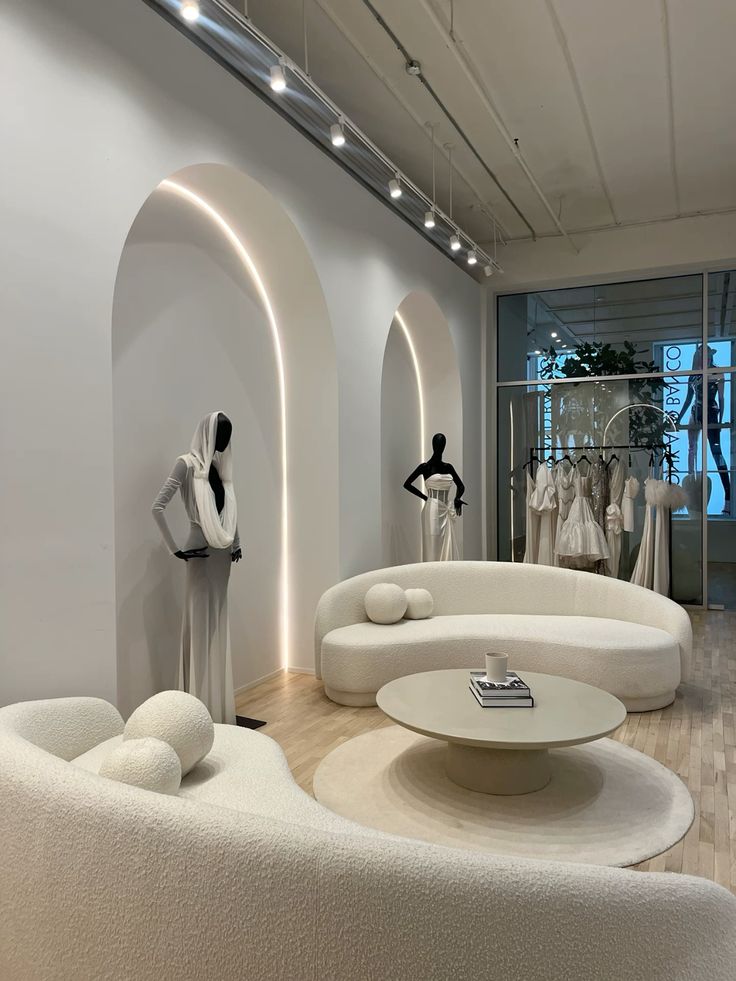
In recent years, consumer behavior has shifted away from traditional luxury fashion houses toward boutique brands and upcycled fashion. While luxury once symbolized exclusivity and status, today’s consumers—especially younger generations—are redefining what value truly means.
One major driver of this change is the growing emphasis on sustainability. Shoppers are becoming more aware of the environmental impact of fast fashion and mass production, leading them to seek alternatives that better align with their values. Upcycled fashion, which transforms existing materials into new, one-of-a-kind pieces, offers a more eco-conscious option while actively reducing waste.
At the same time, boutique brands are gaining traction for their ability to provide individuality. Unlike large luxury labels that produce at higher volumes, boutique designers often focus on smaller, more curated collections. This allows consumers to express their personal style in a way that feels more authentic and less mass-produced.
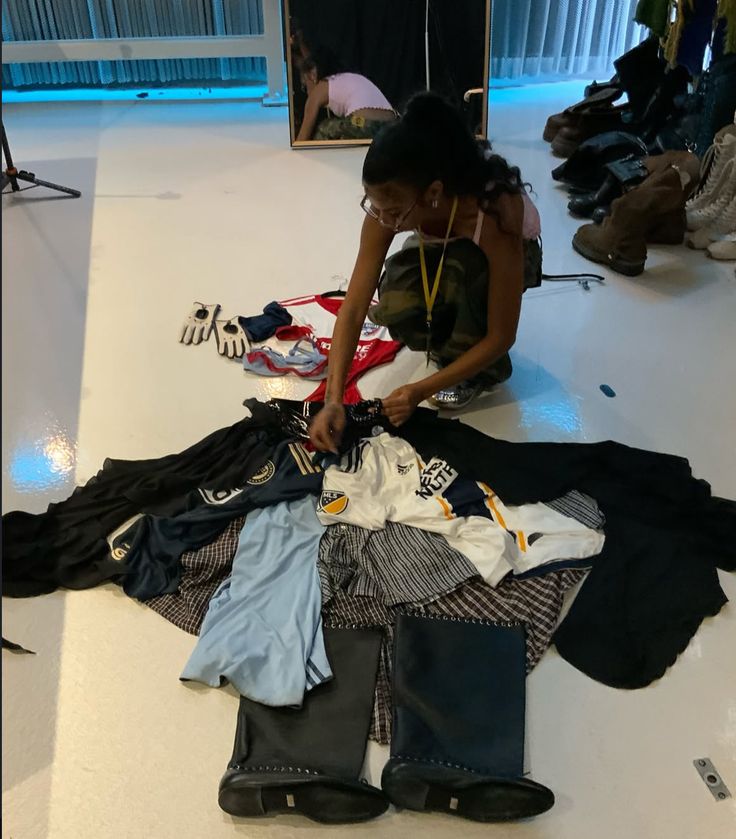
There is also a noticeable cultural shift toward storytelling and connection. Consumers no longer just want a product—they want to understand the story behind it. Who made it? How was it produced? What does the brand stand for? Boutique and upcycled brands often excel in this space, offering transparency and fostering a more personal relationship with their audience.
Ultimately, the move away from traditional luxury is not necessarily a rejection of quality, but rather a redefinition of it. Today, quality is increasingly associated with sustainability, uniqueness, and meaning—values that boutique and upcycled brands are uniquely positioned to deliver.
